بالعربية



ما هو اتجاه فك اللفائف في لفائف الملصقات?
عند طلب ملصقات اللفائف المخصصة، يركز العديد من العملاء على التصميم الفني والمادة والحجم والتشطيب، لكنهم يتجاهلون تفصيلاً مهماً للغاية: اتجاه فك اللفائف.
إن اختيار اتجاه فك اللف الخاطئ يمكن أن يتسبب في مشاكل خطيرة أثناء وضع الملصقات التلقائية، بما في ذلك عدم محاذاة الملصقات، وتوقف الماكينة عن العمل، وعدم كفاءة الإنتاج.
في هذه المقالة، نشرح ما يعنيه اتجاه فك اللفائف، ولماذا هو مهم، وكيفية اختيار اتجاه فك اللفائف الصحيح لبكرات الملصقات الخاصة بك.
ماذا تعني عبارة "اتجاه فك التشابك"؟
يشير اتجاه فك اللفة إلى اتجاه الملصقات أثناء خروجها من اللفة أثناء التطبيق.
وبعبارة أخرى، فهو يصف ما يلي:
تتطلب آلات وضع الملصقات المختلفة اتجاهات فك مختلفة.
لماذا يُعد اتجاه فك اللفائف مهمًا؟
يضمن اتجاه فك اللف الصحيح ما يلي:
إذا كان اتجاه فك اللف غير صحيح:
هذا قد يؤدي إلى إضاعة الوقت وزيادة تكاليف الإنتاج.
تعليمات عامة للاسترخاء
في صناعة الملصقات، يتم وصف اتجاهات فك اللف عادةً باستخدام مواضع الساعة.
أكثر الأنواع شيوعاً هي:
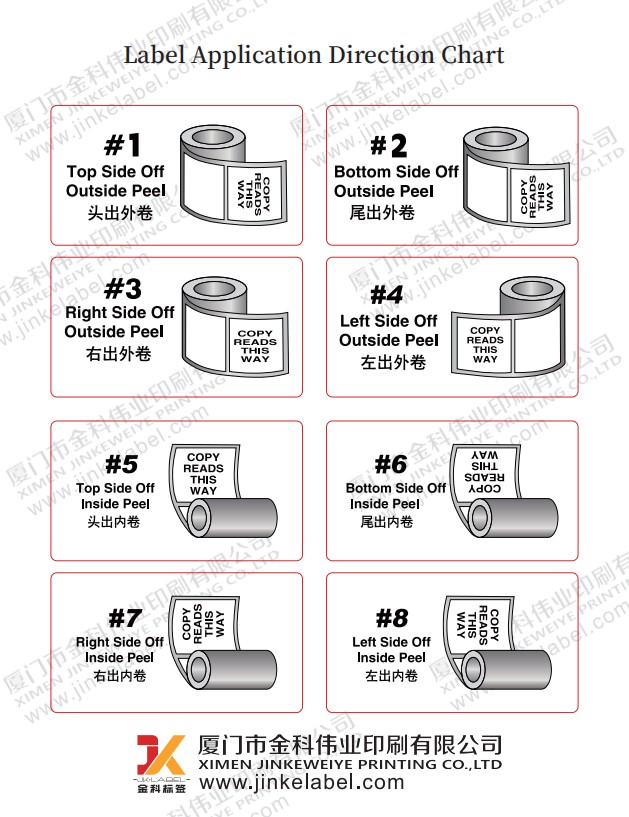
تشير هذه الأرقام إلى كيفية توجيه الملصق عند النظر إليه من خارج اللفة.
قد يستخدم الموردون أو المناطق المختلفة أنظمة ترقيم مختلفة قليلاً، لذا يُنصح دائمًا بالتحقق البصري.
البدء من الحافة العلوية أولاً مقابل البدء من الحافة السفلية أولاً
وهناك طريقة شائعة أخرى لوصف اتجاه فك اللفائف وهي:
غالباً ما تكون هذه الطريقة أسهل للعملاء الذين ليسوا على دراية بمصطلحات صناعة الملصقات.
على سبيل المثال:
يعتمد الاختيار الصحيح على إعدادات آلة وضع الملصقات.
كيفية تحديد اتجاه فك اللف الصحيح
1. افحص آلة وضع الملصقات الخاصة بك
أسهل طريقة هي سؤال مورد الآلة أو مشغلها.
عادة ما يعرفون:
إن تقديم صور أو مقاطع فيديو للآلة يمكن أن يساعد في تجنب الأخطاء.
2. تأكد من اتجاه وضع الملصق
فكّر في كيفية وضع الملصق على المنتج:
قد تتطلب التطبيقات المختلفة اتجاهات فك مختلفة.
3. تقديم عينة من اللفة
إذا كنت قد استخدمت ملصقات متوافقة بنجاح من قبل، فإن إرسال لفة عينة إلى موردك هو الخيار الأكثر أمانًا.
وهذا يسمح للشركة المصنعة بالمطابقة:
مواصفات أخرى لللفة للتأكيد
إلى جانب اتجاه فك اللفائف، هناك العديد من تفاصيل اللفائف المهمة أيضاً.
الحجم الأساسي
تشمل أحجام اللب الشائعة ما يلي:
يعتمد حجم اللب الصحيح على آلة وضع الملصقات الخاصة بك.
القطر الخارجي
إذا كان قطر اللفة كبيرًا جدًا:
إذا كان صغيرًا جدًا:
الفجوة بين التصنيفات
تستخدم آلات وضع الملصقات الآلية أجهزة استشعار للكشف عن فجوات الملصقات.
قد يؤثر حجم الفجوة غير الصحيح على ما يلي:
المشاكل الشائعة الناتجة عن اتجاه فك اللف الخاطئ
1. ملصقات مقلوبة
المشكلة الأكثر شيوعاً.
قد يتم إدخال الملصق بشكل صحيح ولكنه يوضع بالمقلوب على المنتج.
2. وضع الملصق الجانبي
قد تقوم الآلة بوضع الملصق بعد تدويره 90 درجة.
يحدث هذا غالبًا عندما يُساء فهم اتجاه اليسار/اليمين.
3. أخطاء مستشعرات الآلة
قد يؤدي وضع التغذية بشكل غير صحيح إلى تداخل مع عملية الكشف بواسطة المستشعر.
قد يتسبب هذا في:
التطبيق اليدوي مقابل التطبيق التلقائي
بالنسبة للتطبيق اليدوي، يكون اتجاه فك اللفائف عادةً أقل أهمية.
لكن بالنسبة لـ:
يُعدّ اتجاه فك اللفائف الصحيح أمراً بالغ الأهمية.
كيف تدعم شركة جينكي ليبل مشاريع الملصقات الدوارة
في شركة جينكي ليبل، نساعد العملاء على تأكيد ما يلي:
نحن ندعم الملصقات لـ:
قبل بدء الإنتاج، يمكن لفريقنا تأكيد مواصفات اللفائف بناءً على:
يساعد هذا في تقليل مشاكل وضع العلامات أثناء الإنتاج.
الخاتمة
قد يبدو اتجاه فك اللفة تفصيلاً بسيطاً، ولكنه يلعب دوراً بالغ الأهمية في عملية وضع الملصقات الآلية. فاختيار الاتجاه الصحيح للفة يُحسّن كفاءة الإنتاج، ويقلل من وقت توقف الماكينة، ويضمن وضع الملصقات بدقة.
قبل طلب ملصقات اللفائف المخصصة، تأكد دائمًا مما يلي:
إذا كنت غير متأكد من اتجاه فك اللفائف الذي تتطلبه آلتك، فلا تتردد في الاتصال بشركة JINKE LABEL للحصول على الدعم الفني وتوصيات الملصقات.
 +86 15805927008+86 15805928278
 Sales Executivelinda@jinkelabel.comSales Executiverosa@jinkelabel.comGeneral managerzane@jinkelabel.com
 No.99 Tongfu Road, Tongan district, Xiamen, China.

ساعات العمل لدينا
الاثنين إلى السبت: 8:00 صباحًا-8:00 مساءً