شعار

ملصق ذاتي اللصق

الصفحة الرئيسية

ملصق ذاتي اللصق

  • How to Store Self-Adhesive Label Rolls Before Application
    How to Store Self-Adhesive Label Rolls Before Application
    Nov 04, 2026
    Self-adhesive labels are widely used in food, beverage, cosmetics, pharmaceutical, and industrial packaging. However, label quality does not depend only on the materials and printing process. Proper storage before application is also important. Incorrect storage conditions may affect adhesive performance, cause liner deformation, lead to edge lifting, or create difficulties during automatic labeling. Whether you purchase labels for immediate use or keep them in stock for future production, understanding how to store self-adhesive label rolls can help maintain their condition and reduce unnecessary waste. Here are some practical storage guidelines for self-adhesive label rolls. 1. Maintain a Suitable Storage Temperature and Humidity Temperature and humidity are two important factors affecting self-adhesive label materials. High temperatures may accelerate adhesive aging and affect the stability of the label construction. Excessive humidity may cause paper face materials or release liners to absorb moisture, resulting in dimensional changes or curling. As a general guideline, many self-adhesive label materials are stored under the following conditions: Temperature: Approximately 20–25°C Relative Humidity: Approximately 40–50% These values are general reference conditions rather than universal requirements. The actual storage recommendations should follow the material manufacturer's technical data sheet. Try to avoid: Direct exposure to sunlight Storage near heating equipment Areas with large temperature fluctuations Damp warehouses or environments with condensation Locations close to doors or windows where outside weather conditions may affect the materials Maintaining a stable storage environment helps preserve the performance of both the adhesive and the label material. 2. Keep Label Rolls in Their Original Packaging Protective packaging helps prevent dust, moisture, and physical damage during storage. After receiving label rolls, avoid removing the outer packaging unless the labels are ready for use. The original packaging can help protect the rolls from: Dust and dirt Moisture exposure Accidental scratches Pressure and impact Unnecessary handling If only part of a roll is used, the remaining labels should be properly wrapped and protected before being returned to storage. It is also important to ensure that the packaging is not damaged or excessively tightened, as this may deform the roll or affect the labels near the edges. 3. Store Label Rolls in the Correct Position The way label rolls are stored can affect their physical condition. For most finished label rolls, consider the following practices: Keep rolls on a clean, flat, and stable surface. Use suitable racks or supports to prevent rolling and accidental falls. Avoid placing heavy objects on top of label rolls. Do not stack rolls beyond the recommended load-bearing capacity of the packaging. Protect the roll edges from impact and compression. Large or heavy rolls may require dedicated storage racks to prevent deformation. The correct storage orientation can vary depending on roll size, core specifications, winding direction, and material construction. Follow the supplier's recommendations for the specific product. 4. Avoid Moisture and Condensation Moisture can create problems for certain label constructions, particularly those using paper face materials or paper release liners. When label rolls are moved from a cold environment into a warmer warehouse, condensation may form on the packaging or label materials. This can lead to: Paper expansion or deformation Liner curling Changes in label flatness Application difficulties Reduced adhesion under certain conditions To reduce these risks, avoid moving label rolls directly between environments with significantly different temperatures. Allow the rolls to acclimatize while still protected in their original packaging before opening and using them. This is especially important when labels are transported in refrigerated conditions or stored in temperature-controlled environments. 5. Follow the First-In, First-Out (FIFO) Principle Self-adhesive labels should not be stored indefinitely. Over time, adhesive properties may change depending on the adhesive formulation, storage temperature, humidity, and exposure conditions. A practical inventory management method is First-In, First-Out (FIFO). This means that the earliest received or manufactured label rolls should generally be used first, provided they remain within the recommended shelf life and have been stored properly. For better inventory control: Record the production or receiving date. Identify each label batch clearly. Keep track of the recommended shelf life. Separate older stock from newly received materials. Inspect stored rolls before production. Following FIFO helps reduce long-term inventory risks and makes batch traceability easier. 6. Check Label Rolls Before Application Even when label rolls have been stored correctly, a basic inspection before application is recommended. This is particularly important for automatic labeling lines, where material defects may affect production efficiency. Before using the rolls, check the following: Roll Appearance Look for damaged edges, wrinkles, contamination, or visible deformation. Adhesive Performance Check whether the labels maintain suitable adhesion to the intended packaging surface. Release Liner Condition Inspect the liner for curling, tearing, wrinkles, or other abnormalities that may interfere with dispensing. Winding Quality Check whether the roll is wound evenly and whether the edges are aligned. Label Application Performance For automatic labeling equipment, confirm that the roll specifications, core size, outer diameter, and winding direction match the machine requirements. If any abnormality is found, contact the label supplier before using the entire batch. 7. Different Label Materials May Require Different Storage Conditions Not all self-adhesive labels have identical storage requirements. Different face materials and adhesive constructions may respond differently to environmental conditions. Label Material Storage Considerations Coated Paper Protect from moisture and excessive humidity Synthetic Paper Keep away from excessive heat and deformation BOPP Film Avoid excessive heat and direct sunlight PET Film Maintain stable conditions and protect roll edges Thermal Paper Protect from heat, sunlight, and other sources of premature image development In addition, special adhesive systems may have specific storage and shelf-life requirements. Always refer to the material supplier's technical documentation for the recommended storage conditions. 8. Work with a Reliable Label Manufacturer Proper storage starts with selecting suitable label materials and receiving products that meet the required specifications. At Jinke Label, we manufacture custom self-adhesive labels in roll and sheet formats for different industries and packaging applications. Our available materials include coated paper, synthetic paper, BOPP, PE, PET, transparent film, metallic materials, and more. We also pay attention to roll specifications, including core diameter, outer diameter, winding direction, and label quantity per roll, to help ensure compatibility with customers' application equipment. If you have specific storage, transportation, or automatic labeling requirements, share your specifications with our team before production. We can discuss suitable material and roll configurations for your application. Conclusion Proper storage is an important part of maintaining self-adhesive label quality before application. By controlling temperature and humidity, protecting rolls from moisture and physical damage, following FIFO inventory management, and inspecting materials before use, businesses can reduce unnecessary waste and improve labeling efficiency. If you are sourcing custom self-adhesive label rolls, Jinke Label can help you select suitable materials and roll specifications for your packaging requirements.
    العلامات الساخنة : ملصق ذاتي اللصق Label Roll Storage
  • How to Choose Labels for Hot-Fill and Pasteurized Products
    How to Choose Labels for Hot-Fill and Pasteurized Products
    Nov 04, 2026
    Hot-fill and pasteurization are common processing methods in the food and beverage industry. They help extend product shelf life and maintain product safety. However, these processes can create challenges for product labels, especially when containers are exposed to elevated temperatures, moisture, condensation, or rapid temperature changes. Choosing the right label is important to ensure that packaging maintains its appearance and performance throughout production, storage, transportation, and distribution. In this article, we will explore the key factors to consider when selecting labels for hot-fill and pasteurized products. 1. Understand the Temperature Conditions Before selecting label materials, it is important to understand the actual temperature conditions during product processing. Hot-fill products are typically filled into containers at elevated temperatures. Depending on the product and process, the container may remain hot for a period of time before cooling. Pasteurization involves controlled heating to reduce microorganisms. The temperature, duration, and processing environment vary depending on the product and production method. These conditions can affect label materials in different ways: Heat Exposure: High temperatures may cause adhesive performance to change or affect the appearance of certain label materials. Moisture and Condensation: Cooling processes may create moisture on the container surface, affecting label adhesion. Temperature Changes: Rapid transitions between hot and cold environments can put additional stress on the adhesive bond. Mechanical Handling: Labels may experience friction or pressure during filling, packaging, and transportation. Therefore, the actual processing temperature, exposure time, and application conditions should be confirmed before choosing a label solution. 2. Select the Right Label Face Material The face material directly affects the label's appearance, durability, and resistance to environmental conditions. Different materials offer different advantages depending on the packaging type and application requirements. Coated Paper Labels Coated paper labels are commonly used for food and beverage packaging. They provide a smooth printing surface and are suitable for detailed graphics, product information, and brand designs. However, standard paper labels may not be suitable for applications involving prolonged moisture exposure or demanding temperature conditions. A suitable coating and adhesive system should be selected according to the actual environment. BOPP Film Labels BOPP (Biaxially Oriented Polypropylene) is a popular material for beverage and food packaging. Its main advantages include: Good moisture resistance Good dimensional stability under suitable application conditions Smooth printing surface Options for transparent, white, and metallic finishes BOPP film labels are often considered for bottles and containers that require moisture resistance. However, heat resistance depends on the specific film grade, printing system, and adhesive construction. PET Film Labels PET labels offer good dimensional stability and mechanical durability. They can be considered for applications requiring greater resistance to handling and environmental changes. The suitability of PET labels for hot-fill or pasteurization processes still needs to be verified based on the specific material construction and processing conditions. 3. Choose an Adhesive Designed for the Application The adhesive is one of the most important components of a label used in hot-fill and pasteurized products. Even when the face material performs well, an unsuitable adhesive may cause lifting, edge curling, slipping, or complete label detachment. Consider the following factors: Application Temperature: Determine whether labels will be applied to hot, warm, or fully cooled containers. Service Temperature: Confirm the temperature the label will experience after application. Surface Material: Glass, PET, HDPE, and other packaging materials may require different adhesive formulations. Surface Condition: Moisture, condensation, oil, and dust can reduce adhesion. Cooling Process: Check whether the adhesive can maintain bonding performance during temperature changes. It is important to distinguish between application temperature and service temperature. An adhesive that performs well during normal room-temperature application may not necessarily be suitable for a hot container or subsequent pasteurization process. For demanding applications, the complete label construction should be tested under actual production conditions. 4. Pay Attention to Printing Inks and Surface Finishes Label performance is not determined by the adhesive and face material alone. Printing inks, varnishes, and other surface finishes also need to be considered. For example, certain coatings may soften, discolor, or lose their appearance when exposed to elevated temperatures or moisture. When selecting printing finishes, consider: Printing Ink Resistance: Check whether the ink can maintain its color and adhesion during the required processing conditions. Varnish Performance: Confirm whether the selected gloss or matte varnish is suitable for the expected temperature and moisture exposure. Color Stability: Evaluate whether the printed colors remain consistent after processing. Surface Protection: Consider suitable protective coatings when additional resistance to abrasion or handling is required. Hot stamping, UV coating, and other decorative effects may also be used, but their suitability should be evaluated individually. A visually attractive label should also meet the functional requirements of the packaging process. 5. Test Labels Under Actual Processing Conditions Material specifications are useful when selecting labels, but laboratory data alone may not fully represent real production conditions. Before placing a large order, it is recommended to conduct application and performance tests using the actual container, product, and processing equipment. Important tests may include: Adhesion Testing: Check whether the label remains firmly attached to the container. Heat Resistance Testing: Evaluate changes in adhesion and appearance after exposure to the required temperature. Water and Condensation Testing: Check for edge lifting, wrinkling, or other defects after cooling. Scratch and Abrasion Testing: Evaluate whether the printed surface can withstand normal handling. Visual Inspection: Check for discoloration, deformation, bubbles, and changes in label appearance. Testing should reproduce the actual processing temperature, exposure time, cooling conditions, and application sequence as closely as possible. 6. Work with a Label Manufacturer Early Choosing a label for hot-fill or pasteurized products requires more than simply selecting a waterproof material. The label manufacturer should understand the product's packaging structure, processing conditions, application method, and storage environment. When requesting a quotation, it is helpful to provide: Container material and shape Label dimensions and artwork Expected production quantity Filling or pasteurization temperature Processing duration Whether labels are applied before or after heating Storage and transportation conditions With this information, the manufacturer can recommend a more suitable combination of face material, adhesive, printing ink, and surface finish. Why Choose Jinke Label? At Jinke Label, we provide custom self-adhesive label printing solutions for food, beverage, cosmetics, and other industries. We offer various label materials, including coated paper, synthetic paper, BOPP, PE, PET, and other film materials. Different printing and finishing options are available to meet packaging requirements. For applications involving heat, moisture, or other demanding conditions, we can discuss the application environment and recommend suitable material combinations for evaluation. Our quality inspection process includes adhesion, peel, temperature, scratch, and other performance checks according to product requirements. If you are developing labels for hot-fill or pasteurized products, contact Jinke Label with your packaging details. Our team will help you evaluate suitable label options for your application.
    العلامات الساخنة : ملصق ذاتي اللصق Temperature Resistant Label
  • دليل لتشطيبات الملصقات: غير لامع، لامع، ناعم الملمس، تأثيرات الأشعة فوق البنفسجية والرقائق المعدنية
    دليل لتشطيبات الملصقات: غير لامع، لامع، ناعم الملمس، تأثيرات الأشعة فوق البنفسجية والرقائق المعدنية
    Sep 29, 2026
    لمسة نهائية غير لامعةلمسة نهائية لامعةلمسة نهائية ناعمة الملمسطلاء موضعي بالأشعة فوق البنفسجيةختم رقائق معدنية عند تصميم عبوات المنتجات، يُعد اختيار مادة الملصق المناسبة أمرًا بالغ الأهمية، ولكن اللمسة النهائية تلعب دورًا محوريًا في كيفية عرض المنتج. إذ تُحسّن اللمسات النهائية للملصقات من جاذبيتها البصرية، وتُعزز تجربة اللمس، وتحمي التفاصيل المطبوعة، وتُساعد المنتجات على التميز على أرفف المتاجر.تُضفي التشطيبات المختلفة مظاهر وملمساً متبايناً. ويُعدّ اللمعان، والمطفأ، واللمسة الناعمة، والطلاء بالأشعة فوق البنفسجية، والختم بالرقائق المعدنية من أكثر الخيارات شيوعاً في ملصقات مستحضرات التجميل، وملصقات المشروبات، وملصقات الأطعمة، وملصقات النبيذ، والتغليف الفاخر.يشرح هذا الدليل خيارات تشطيب الملصقات الأكثر شيوعًا وكيفية اختيار الخيار المناسب لمنتجك.1. ملصقات ذات لمسة نهائية غير لامعةما هي اللمسة النهائية غير اللامعة للملصقات؟تُضفي اللمسة النهائية غير اللامعة سطحًا أملسًا غير عاكس للضوء، وذلك بتقليل انعكاس الضوء. وبالمقارنة مع الملصقات اللامعة، تُوفر الملصقات غير اللامعة مظهرًا أكثر نعومة وأناقة.مزايا اللمسة النهائية غير اللامعةيقلل من الوهج ويحسن من سهولة القراءةيُضفي مظهراً أنيقاً وعصرياًيوفر ملمسًا سطحيًا ناعمًايتناسب بشكل جيد مع تصميمات التغليف البسيطةمناسب لوضع المنتج في مكانة متميزةالتطبيقات الشائعةتُستخدم الملصقات غير اللامعة على نطاق واسع من أجل:منتجات العناية بالبشرة ومستحضرات التجميلالمكملات الغذائيةتغليف غذائي فاخرزجاجات النبيذ والمشروباتمنتجات العناية الشخصيةبالنسبة للعلامات التجارية التي تبحث عن أسلوب تغليف بسيط وأنيق، فإن اللمسة النهائية غير اللامعة هي خيار شائع.2. ملصقات بلمسة نهائية لامعةما هي اللمسة النهائية اللامعة للملصقات؟تُضفي اللمسة النهائية اللامعة سطحًا براقًا وعاكسًا يعزز سطوع الألوان وتباينها، مما يجعل الألوان المطبوعة تبدو أكثر حيوية وجاذبية.مزايا الطلاء اللامعيجعل الألوان تبدو أكثر إشراقاًيُعزز ظهور المنتج على الرفوف بشكل ملحوظيوفر سطحًا أملسًا وسهل التنظيفيوفر حماية جيدة ضد الرطوبة والتعاملالتطبيقات الشائعةتُستخدم الملصقات اللامعة عادةً للأغراض التالية:ملصقات زجاجات المشروباتملصقات تغليف المواد الغذائيةمنتجات منزليةعبوات ترويجيةتُعدّ التشطيبات اللامعة مناسبة بشكل خاص للمنتجات التي تتطلب تأثيراً بصرياً قوياً.3. ملصقات ذات ملمس ناعمما هي تقنية التشطيب الناعم؟تضفي اللمسة النهائية الناعمة ملمساً مخملياً ناعماً ومريحاً عند اللمس، فهي تجمع بين الأناقة البصرية وتجربة لمس فريدة.مزايا اللمسة النهائية الناعمةيمنح ملمساً فاخراً عند اللمسيوفر سطحًا ناعمًا يشبه المخمليعزز تجربة التغليف بشكل عاميساعد المنتجات على خلق انطباع أقوى عن العلامة التجاريةالتطبيقات الشائعةغالباً ما يتم اختيار الملصقات ذات الملمس الناعم للأسباب التالية:مستحضرات تجميل فاخرةتغليف العطورمنتجات العناية بالبشرة الفاخرةمشروبات فاخرةيُعد خيار التشطيب هذا مناسبًا بشكل خاص عندما ترغب العلامات التجارية في أن يلاحظ العملاء كلاً من مظهر العبوة وملمسها.4. ملصقات الأشعة فوق البنفسجية الموضعية وملصقات الطلاء بالأشعة فوق البنفسجيةما هي عملية التشطيب بالأشعة فوق البنفسجية؟تستخدم تقنية الطلاء بالأشعة فوق البنفسجية طبقة لامعة شفافة تُطبّق على سطح الملصق بالكامل أو على مناطق محددة منه. وتُبرز هذه التقنية عناصر تصميمية معينة مثل الشعارات أو الأنماط أو أسماء المنتجات.مزايا الأشعة فوق البنفسجية الموضعيةيُضفي تباينًا بين المناطق اللامعة والمطفيةيسلط الضوء على عناصر التصميم المهمةيضفي عمقًا على تصميم ملصق المنتجيعزز المظهر الفاخر للعبوةالتطبيقات الشائعةتُستخدم الأشعة فوق البنفسجية الموضعية غالبًا في:ملصقات مستحضرات التجميلملصقات النبيذتغليف المنتجات الفاخرةشعارات العلامات التجارية والأنماط الزخرفيةومن بين التركيبات الشائعة التغليف غير اللامع مع الأشعة فوق البنفسجية الموضعية، مما يخلق تباينًا بين الخلفية الناعمة والتفاصيل اللامعة.5. ملصقات الختم بالرقائق المعدنيةما هي تقنية ختم الرقائق المعدنية؟تُستخدم تقنية الطباعة بالرقائق المعدنية لتطبيق رقائق معدنية على سطح الملصق لإضفاء تأثير عاكس. ويمكن استخدام ألوان مثل الذهبي والفضي والذهبي الوردي وغيرها لإبراز عناصر محددة.مزايا تأثيرات الرقائق المعدنيةيخلق تأثيرًا بصريًا معدنيًايُبرز الشعارات والمعلومات المهمةيضفي مظهراً زخرفياًيساعد على تمييز المنتجات على الرفوفالتطبيقات الشائعةتُستخدم تقنية الطباعة بالرقائق المعدنية على نطاق واسع في:ملصقات زجاجات النبيذتغليف مستحضرات التجميلمنتجات غذائية فاخرةتغليف الهدايايُعد استخدام رقائق الذهب مع النقش البارز أو اللمسة النهائية غير اللامعة خيارًا شائعًا لتصميمات الملصقات الفاخرة.6. الجمع بين أنواع مختلفة من تشطيبات الملصقاتتجمع العديد من العلامات التجارية بين تقنيات تشطيب متعددة لخلق تأثير تغليف فريد.تشمل التركيبات الشائعة ما يلي:مطفي + حماية موضعية من الأشعة فوق البنفسجيةيخلق تباينًا بين الخلفية الناعمة واللمسات اللامعة.لمسة ناعمة + ختم رقائق معدنيةيجمع بين ملمس المخمل وتفاصيل معدنية.لمعان + رقائق معدنيةيُضفي مظهراً مشرقاً وجذاباً.مطفي + نقش بارز + رقائق معدنيةيضيف تأثيرات بصرية ولمسية.يعتمد أفضل مزيج على فئة المنتج، وأسلوب العلامة التجارية، والميزانية، ومتطلبات التعبئة والتغليف.كيفية اختيار اللمسة النهائية المناسبة للملصق؟عند اختيار نوع تشطيب الملصق، ضع في اعتبارك ما يلي:فئات المنتجاتمستحضرات التجميل: مطفية، ناعمة الملمس، لامعةمشروب: لمعان، تأثيرات شفافة، رقائق معدنيةالطعام: تشطيبات غير لامعة، لامعة، وواقيةالنبيذ: رقائق معدنية، نقش بارز، تأثيرات مزخرفةنمط العلامة التجاريةعصري وبسيط ← لمسة نهائية غير لامعةمشرق وملون → لمسة نهائية لامعةفاخر ومتميز ← ملمس ناعم + رقائق معدنيةإبراز التفاصيل المهمة ← الأشعة فوق البنفسجية الموضعيةبيئة الاستخداميعتبر:التعرض للرطوبةمخزن باردالاحتكاك أثناء النقلتكرار التعامل مع المنتجلا ينبغي أن يقتصر خيار التشطيب المناسب على تحسين المظهر فحسب، بل يجب أن يلبي أيضاً المتطلبات العملية.حلول جينكي لطباعة وتشطيب الملصقاتفي شركة جينكي ليبل، نقدم خيارات متنوعة لتشطيب الملصقات لمساعدة العلامات التجارية على إنشاء عبوات جذابة وعملية.تشمل قدراتنا في مجال التشطيب ما يلي:تغليف غير لامعتغليف لامعلمسة نهائية ناعمةطلاء مقاوم للأشعة فوق البنفسجيةبقعة الأشعة فوق البنفسجيةختم رقائق معدنية ساخنةالنقش البارزمؤثرات زخرفية خاصةبفضل معدات الطباعة الاحترافية والخبرة في ملصقات الأطعمة والمشروبات ومستحضرات التجميل والعناية الشخصية، نساعد العملاء على اختيار المواد المناسبة وحلول التشطيب بناءً على متطلبات منتجاتهم.تواصل معنا لتزويدنا بتصميم ملصقك، وحجمه، وكميته، وتفاصيل استخدامه للحصول على حل طباعة مناسب.
    العلامات الساخنة : ملصق ذاتي اللصق تشطيب الملصق
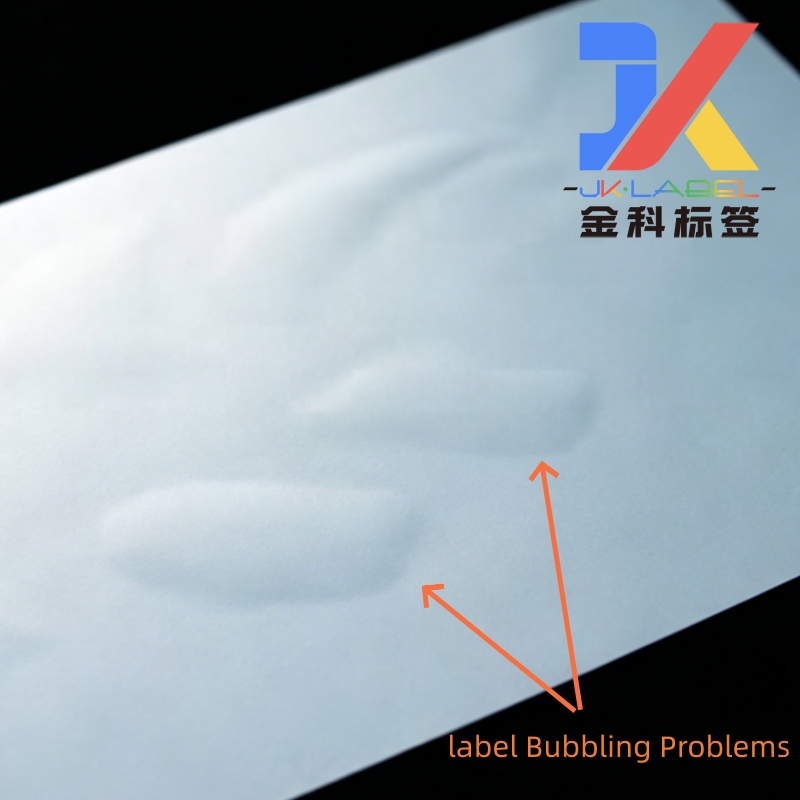
  • مشاكل فقاعات الملصقات: الأسباب والحلول العملية
    مشاكل فقاعات الملصقات: الأسباب والحلول العملية
    Apr 23, 2026
    تُعدّ فقاعات الملصقات - تلك الجيوب الهوائية الصغيرة أو المناطق المرتفعة أسفل الملصق - مشكلة شائعة قد تؤثر بشكل كبير على مظهر المنتج وأدائه. سواء كنت تعمل في مجال تغليف مستحضرات التجميل أو الأطعمة أو المشروبات، فإنّ الفقاعات قد تؤدي إلى ضعف جاذبية المنتج على الرفوف، بل وحتى تلف الملصق نفسه.في هذه المدونة، سنشرح بالتفصيل الأسباب الرئيسية لظهور الفقاعات على الملصقات وكيفية منعها بشكل فعال.ما هي ظاهرة "فقاعات الملصقات"؟يحدث ظهور الفقاعات على الملصقات عندما ينحصر الهواء أو الرطوبة أو الغاز بين المادة اللاصقة للملصق والسطح. ومع مرور الوقت، تتمدد هذه العناصر المحصورة أو تتحرك، مما يؤدي إلى ظهور فقاعات مرئية.الأسباب الشائعة لظهور الفقاعات على الملصقات1. تلوث الأسطحيمكن أن يمنع الغبار أو الزيت أو الرطوبة أو البقايا الموجودة على سطح الحاوية الالتصاق السليم.سيناريوهات نموذجية:زجاجات مستحضرات التجميل التي تحتوي على بقايا زيتزجاجات مشروبات بها تكثفالأوعية الزجاجية غير جافة تمامًاحل:تأكد من أن السطح نظيف وجاف وخالٍ من الزيوت قبل وضع الملصقات.2. مواد ملصقات غير متوافقةبعض المواد غير مناسبة لبعض الأسطح.أمثلة:مواد صلبة مطبقة على الزجاجات المنحنيةملصقات ورقية تُستخدم في البيئات الرطبةحل:استخدم مواد مرنة مثل البولي إيثيلين أو البولي بروبيلين ثنائي المحور (BOPP) للعبوات المنحنية أو القابلة للضغط، وخاصة في مستحضرات التجميل والعناية الشخصية.3. عدم تطابق المادة اللاصقةلا تؤدي جميع المواد اللاصقة نفس الوظيفة في ظل ظروف مختلفة.المشاكل الشائعة:لاصق ضعيف ← ترابط ضعيفمادة لاصقة غير مناسبة للبيئات الباردة أو الرطبةحل:اختر المادة اللاصقة المناسبة:لاصق دائم للاستخدام طويل الأمدلاصق قابل للإزالة لوضع ملصقات مؤقتةلاصق مناسب للتجميد في درجات الحرارة المنخفضة4. ضغط غير مناسب لوضع الملصقاتقد يؤدي الضغط غير الكافي أثناء الاستخدام إلى حبس الهواء تحته.نموذجي في:آلات وضع الملصقات الأوتوماتيكية عالية السرعةأسطح تطبيق غير مستويةحل:اضبط إعدادات آلة وضع الملصقات لضمان ضغط متساوٍ وكافٍ.5. اختلافات درجات الحرارةقد يؤثر وضع الملصقات في درجات حرارة قصوى على أداء المادة اللاصقة.أمثلة:زجاجات باردة مأخوذة مباشرة من الثلاجةالمنتجات المعبأة ساخنةحل:ضع الملصقات ضمن نطاق درجة الحرارة الموصى به، واترك المنتجات تتأقلم قبل وضع الملصقات.6. انبعاث الغازات من العبوة (التخلص من الغازات)تطلق بعض العبوات البلاستيكية غازات بعد الإنتاج، مما قد يتسبب في ظهور فقاعات تحت الملصق.شائع في:زجاجات بلاستيكية مصبوبة أو مصنوعة من البولي إيثيلين عالي الكثافةحل:اترك العبوات ترتاح قبل وضع الملصقات عليها، أو استخدم مواد لاصقة تسمح بمرور الهواء.كيفية منع ظهور الفقاعات على الملصق✔ نظف وجفف الأسطح قبل وضع الملصقات✔ اختر المادة المناسبة لشكل الحاوية الخاصة بك✔ اختر نوع المادة اللاصقة المناسب لبيئة التطبيق✔ تحسين ضغط وسرعة آلة وضع الملصقات✔ التحكم في ظروف درجة حرارة وضع الملصقات✔ اختبار الملصقات في ظروف الاستخدام الحقيقيةأهمية الاختباراتفي جينكي ليبل، نوصي بما يلي:الاختبارات المعملية (الالتصاق، درجة الحرارة، مقاومة الزيت)محاكاة التطبيقاتالتحقق من صحة الاستخدام الفعلي (الرطوبة، التبريد، النقل)هذا يضمن أداء ملصقاتك بشكل مثالي قبل الإنتاج بكميات كبيرة.الخاتمةلا يُعدّ ظهور الفقاعات على الملصقات مجرد عيب ظاهري، بل غالباً ما يكون مؤشراً على عدم تطابق المادة أو المادة اللاصقة أو عملية التصنيع. والخبر السار هو أنه باتباع النهج الصحيح، يمكن تجنب هذه المشكلة تماماً.إذا كنت تواجه مشاكل في ظهور الفقاعات أو ترغب في تحسين أداء ملصقاتك، فلا تتردد في التواصل معنا. يسعدنا مساعدتك في إيجاد الحل الأمثل لمنتجك.هل تحتاج إلى مساعدة في اختيار مادة الملصق أو المادة اللاصقة المناسبة؟ تواصل معنا في أي وقت للحصول على دعم من الخبراء.
  • وصول معدات جديدة: آلة طباعة فليكسو ذات 10 ألوان تعزز قدراتنا الإنتاجية
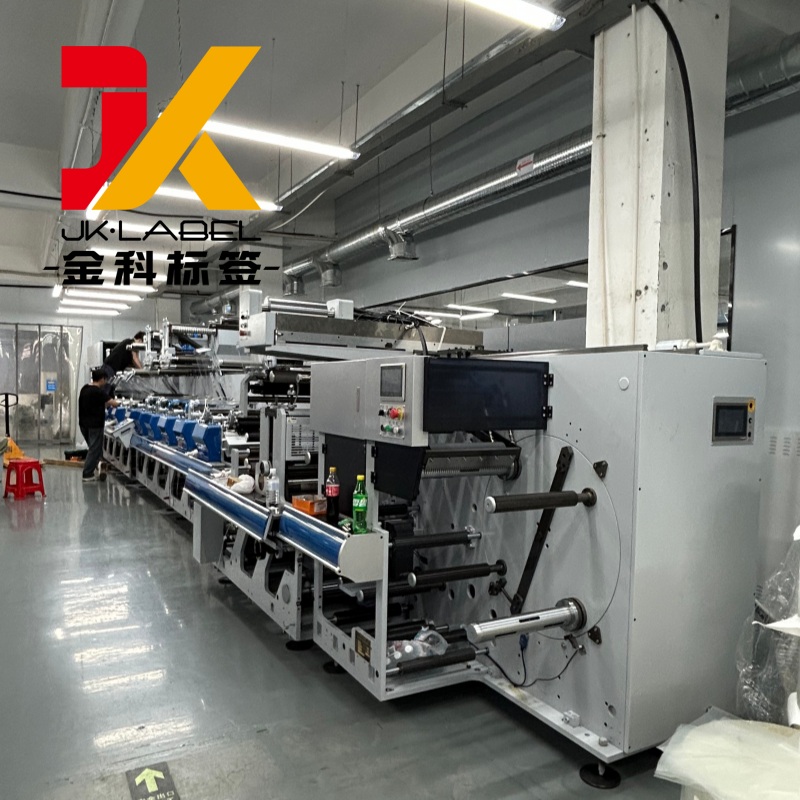
    وصول معدات جديدة: آلة طباعة فليكسو ذات 10 ألوان تعزز قدراتنا الإنتاجية
    Mar 26, 2026
    استجابةً للطلب المتزايد على طباعة الملصقات عالية الجودة ومتعددة العمليات، يسرّنا الإعلان عن وصول آلة الطباعة الفلكسوغرافية الجديدة ذات العشرة ألوان. يُعزز هذا التحديث قدرتنا الإنتاجية ويُمكّننا من تقديم حلول ملصقات أكثر تعقيدًا وتطورًا بكفاءة أعلى.ملكنا معدات الطباعة الحالية ملخصمع هذه الإضافة الأخيرة، أصبح مصنعنا الآن يشغل مجموعة شاملة من المعدات المتقدمة معدات الطباعة، مشتمل:آلات طباعة أوفست بخمسة ألوان وستة ألوانآلة طباعة دوارة كاملة بثمانية ألوانآلة طباعة فليكسوغرافية بعشرة ألوان (تم تركيبها حديثاً)آلة طباعة فليكسوغرافية ذات 12 لونًايتيح لنا هذا الإعداد المتنوع للمعدات مطابقة طريقة الطباعة الأنسب لكل مشروع، مما يضمن أفضل توازن بين الجودة والتكلفة والكفاءة.لماذا نحتاج إلى مكبس فليكسو ذي 10 ألوان؟تُعرف الطباعة الفلكسوغرافية بسرعتها العالية ومرونتها وفعاليتها من حيث التكلفة. وبفضل نظام الألوان العشرة، أصبح بإمكاننا الآن:التعامل مع الأعمال الفنية الأكثر تعقيدًا باستخدام طبقات ألوان أكثر ثراءًاحصل على تدرجات لونية سلسة وتسجيل ألوان دقيقدمج عمليات متعددة في عملية واحدةيُعد هذا الأمر ذا قيمة خاصة بالنسبة لقطاعات مثل الأغذية والمشروبات ومستحضرات التجميل والرعاية الصحية، حيث تؤثر جودة التغليف بشكل مباشر على تصور العلامة التجارية. المزايا الرئيسية للآلة الجديدة1. جودة طباعة فائقة: بفضل وحدات الطباعة العشر، توفر الآلة اتساقًا ممتازًا في الألوان وإعادة إنتاج دقيقة للتفاصيل - حتى بالنسبة للنصوص الدقيقة والتصاميم المعقدة.2. تكامل العمليات المتعددةيدعم مجموعة واسعة من خيارات التشطيب المباشر:التغليف (لامع/غير لامع)ختم رقائق معدنية باردةطلاء موضعي بالأشعة فوق البنفسجيةالطباعة العكسية وتطبيقات المواد اللاصقة الخاصة3. تحسين كفاءة الإنتاجيضمن الأداء عالي السرعة إنتاجًا مستقرًا لكل من عمليات التشغيل القصيرة والطلبات ذات الأحجام الكبيرة، مما يقلل من أوقات التسليم.4. توافق واسع مع الموادمتوافق مع BOPP و PET والورق والمواد المتخصصة، ويلبي متطلبات وضع العلامات المتنوعة.ماذا يعني هذا لعملائنا؟بفضل مجموعة معداتنا المطورة، يمكننا أن نقدم ما يلي:أوقات تسليم أسرعمرونة أكبر في أساليب الطباعةأسعار تنافسية لكل من الملصقات البسيطة والمعقدةجودة ثابتة في جميع أحجام الطلباتسواء كنت بحاجة إلى ملصقات مستحضرات تجميل فاخرة، أو ملصقات مشروبات متينة، أو ملصقات صيدلانية عالية الدقة، فإن إعدادنا متعدد الآلات يضمن الحل المناسب لمشروعك.استثمار مستمر، خدمة أفضلنؤمن بأنّ المعدات المتطورة هي أساس الجودة المتسقة والتسليم الموثوق. ويعكس إضافة مطبعة فليكسو ذات العشرة ألوان التزامنا المستمر بالاستثمار في التكنولوجيا وتحسين تجربة العملاء.إذا كانت لديكم أي احتياجات تتعلق بوضع العلامات أو ترغبون في تقييم العينات، فلا تترددوا في التواصل معنا - فنحن على استعداد لدعم مشروعكم القادم بقدراتنا المحسّنة.
  • ما هي الملصقات ذاتية اللصق؟
    ما هي الملصقات ذاتية اللصق؟
    Mar 19, 2026
    ملصقات ذاتية اللصقتُعدّ الملصقات الحساسة للضغط، والمعروفة أيضاً باسم الملصقات اللاصقة، من أكثر حلول وضع الملصقات شيوعاً في التغليف الحديث. فهي توفر طريقة سريعة وفعالة واقتصادية لعرض معلومات المنتج والعلامة التجارية، بدءاً من الأطعمة والمشروبات وصولاً إلى مستحضرات التجميل والمنتجات الطبية.في هذا الدليل، سنرشدك خلال كل ما تحتاج لمعرفته حول الملصقات ذاتية اللصق ولماذا هي ضرورية لعملك.ما هي الملصقات ذاتية اللصق؟الملصقات ذاتية اللصق هي ملصقات تتكون من ثلاث طبقات رئيسية:مادة الوجه (ورق، بولي بروبيلين، بولي إيثيلين تيريفثالات، إلخ)طبقة لاصقة (دائمة، قابلة للإزالة، مناسبة للتجميد)ورق الحماية (الورق الخلفي)يمكن تطبيقها ببساطة عن طريق الضغط - لا حاجة إلى غراء أو حرارة أو ماء.الفوائد الرئيسية للملصقات ذاتية اللصق✅ سهل الاستخدام (آلات وضع الملصقات اليدوية أو الأوتوماتيكية)✅ مناسب لمختلف الأسطح (البلاستيك، الزجاج، المعدن)✅ طباعة عالية الجودة (فليكسو وأوفست)✅ تشطيبات قابلة للتخصيص (التغليف، والختم الساخن، والطلاء بالأشعة فوق البنفسجية)✅ خيارات متينة (مقاومة للماء، مقاومة للزيوت، مقاومة للخدوش)أنواع شائعة من الملصقات ذاتية اللصق1. ملصقات ورقيةفعال من حيث التكلفةمثالي للبيئات الجافة2. ملصقات الأفلام (PP / PET)مقاوم للماء ومتينمناسب للمشروبات ومستحضرات التجميل3. الملصقات الحراريةتُستخدم في الخدمات اللوجستية والرموز الشريطيةمتوفر بتقنية الطباعة الحرارية المباشرة👈 تعرف على المزيد حول الملصقات الحرارية في دليلنا:https://www.jinkelabel.com/understanding-thermal-label-paperتطبيقات في مختلف الصناعاتتُستخدم الملصقات ذاتية اللصق على نطاق واسع في:تغليف المواد الغذائية (مواد مقاومة للزيت)المشروبات (ملصقات مقاومة للماء للزجاجات)مستحضرات التجميل (تشطيبات متينة وجميلة)الأجهزة الطبية والتشخيصية (الوسم عالي الدقة)كيفية اختيار الملصق المناسبيعتمد اختيار الملصق المناسب على:مادة السطح (زجاج، بلاستيك، إلخ)ظروف التخزين (بارد، رطب، في الهواء الطلق)طريقة التطبيق (يدوي مقابل آلي)👉 يمكنك قراءة دليلنا المفصل هنا:https://www.jinkelabel.com/types-of-self-adhesive-labels-explained-materials-adhesives-applicationsخاتمةتُعدّ الملصقات ذاتية اللصق حلاً مرناً وموثوقاً للتغليف الحديث. وباستخدام المواد والمواد اللاصقة المناسبة، يمكنها تحسين أداء المنتج وصورة العلامة التجارية على حد سواء.هل تحتاج إلى مساعدة في اختيار الملصق المناسب؟نقدم ملصقات ذاتية اللصق مصممة حسب الطلب مع دعم كامل للمواد وخيارات الطباعة وعينات مجانية. تواصل معنا اليوم للبدء.

اترك رسالة

اترك رسالة
إذا كنت مهتما بمنتجاتنا وتريد معرفة المزيد من التفاصيل ، فالرجاء ترك رسالة هنا ، وسوف نقوم بالرد عليك في أقرب وقت ممكن.
إرسال

ساعات العمل لدينا

الاثنين إلى السبت: 8:00 صباحًا-8:00 مساءً


اتصل بنا: linda@jinkelabel.com

الصفحة الرئيسية

منتجات

واتس اب

اتصل بنا